

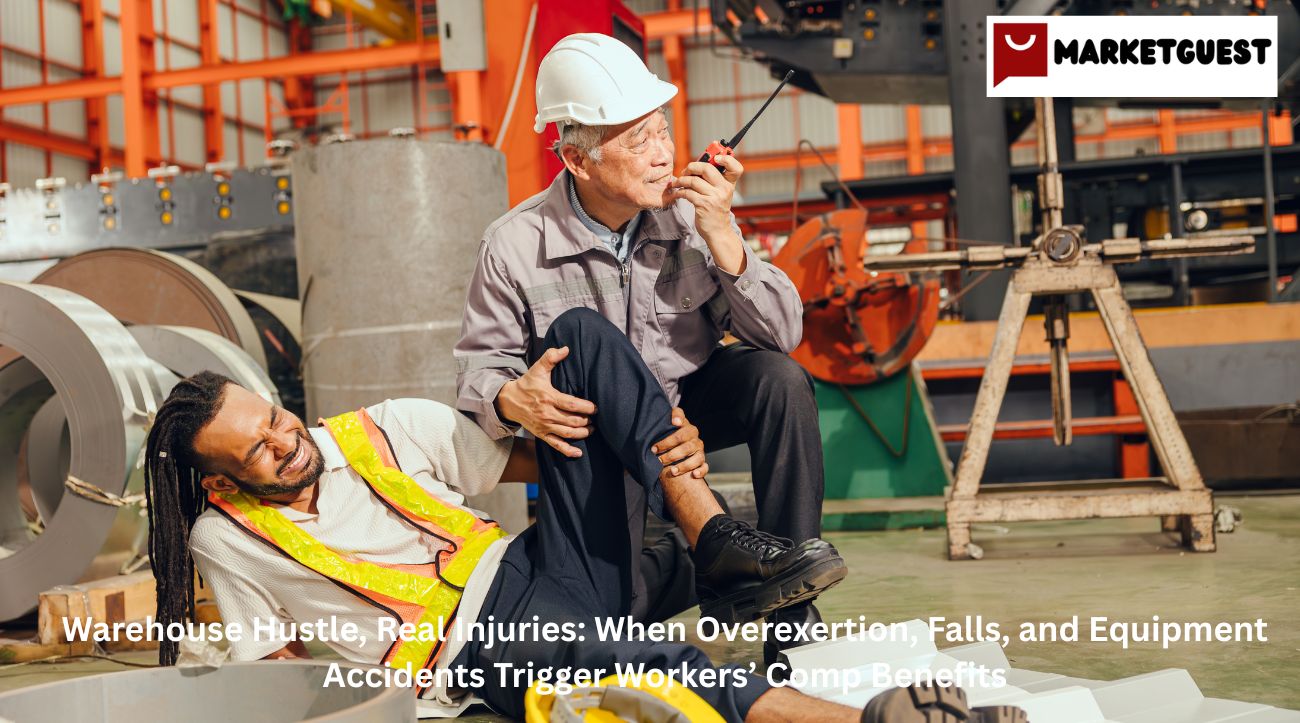
Warehouses and delivery routes keep the world moving, but the pace can get intense fast. One awkward lift, a slick loading dock, or a split second around moving equipment can turn a normal shift into weeks of pain and missed paychecks. The good news is that workers’ compensation exists for exactly these moments, and if your claim gets pushed back or stalled, best workers compensation lawyers near me for denied benefits can make the process feel a lot less like a fight and a lot more like the support system it was meant to be.
The injuries that happen most and why they matter
Warehouses and delivery roles combine speed, repetition, and physical strain. That mix is why so many injuries fall into a few familiar categories.
Overexertion and repetitive strain injuries
Overexertion is not just “I’m sore.” It is the kind of strain that leads to pulled muscles, hernias, torn tendons, and back injuries that can make getting out of bed feel like a task. Delivery workers face it when carrying heavy packages up stairs or lifting items out of awkward vehicle positions. Warehouse workers run into it while picking, stacking, scanning, and moving freight for hours.
A tricky part of overexertion is that symptoms can build gradually. You might feel fine on Monday, tight on Tuesday, and by Friday you cannot bend without sharp pain. Workers’ comp usually still applies even if the injury is not a single dramatic moment, as long as it is related to the job.
Fun fact: Overexertion is consistently one of the most common causes of workplace injuries, especially in physically demanding jobs.
Slips, trips, and falls in fast moving spaces
Falls are not limited to ladders and mezzanines. A slip on plastic wrap, a trip over a pallet edge, or a stumble on a truck ramp can cause knee injuries, broken wrists, concussions, and serious back problems. Warehouses are full of “almost hazards” like loose strapping, uneven floors, wet entryways, and tight corners where visibility is limited.
Even a fall from the same level can be a big deal. People often assume workers’ comp only covers major accidents, but plenty of claims start with what sounded like a minor spill and ended with months of physical therapy.
Equipment accidents that happen in a heartbeat
Forklifts, pallet jacks, conveyors, lift gates, and other equipment keep productivity high, but they also introduce risk. Some injuries happen when equipment malfunctions. Others happen when people are rushing, working around blind spots, or operating in crowded aisles.
Pinch point injuries, crushed fingers, foot injuries from dropped loads, and collisions are common examples. If you were hurt while doing your job duties, workers’ comp may cover medical care and wage benefits even if the accident was not anyone’s “fault” in the usual sense.
What workers’ comp benefits can cover after a warehouse or delivery injury
After an injury, the paperwork and phone calls can feel like a second job. Understanding what benefits may be available makes it easier to push for what you need.
Medical treatment and recovery support
Workers’ comp typically covers reasonable and necessary medical care related to the injury. That can include doctor visits, imaging, prescriptions, surgery, and physical therapy. In many cases, you may be required to see an approved provider, at least at first, depending on your state rules.
Wage replacement while you cannot work
If a doctor takes you off work, you may qualify for temporary disability payments that replace part of your wages. If you can work with restrictions, like no lifting or limited standing, you may still qualify for partial wage benefits if your hours or pay drop.
Longer term benefits if healing takes time
Some injuries do not fully resolve quickly, especially back injuries and tendon damage. If you are left with lasting restrictions, there may be benefits tied to permanent impairment or ongoing limitations. This is where accurate medical documentation becomes critical.
Fun fact: Many warehouse injuries are caused by ordinary items in the work area, like packaging materials and floor debris, not just heavy machinery.
How to strengthen a claim without overcomplicating your life
You do not need to be dramatic or perfect, but you do need to be consistent. Small steps early can protect your claim later.
Report it quickly and keep it simple
Tell a supervisor as soon as you can and follow your workplace reporting process. Stick to the facts of what happened and what hurts. Delays can create arguments that the injury happened elsewhere or was not serious.
Get medical care and describe the work connection clearly
When you see a provider, be clear that the injury is work-related and describe the job tasks that caused it. If the pain started gradually, explain the pattern. If you were lifting, pushing, reaching, or climbing, say so.
Document the basics
You do not need a novel. A short note in your phone with dates, symptoms, and what tasks make things worse can help you stay accurate over time. If there were witnesses, write down names. If there was a hazard like a wet floor or broken pallet, note it.
When a workers’ compensation lawyer can make a real difference
Workers’ comp is supposed to be straightforward, but anyone who has been through it knows it can get messy. Insurance companies may question whether your back pain is “pre-existing,” argue that you can return to full duty too soon, or offer a settlement that does not match the long-term impact of the injury. If you’re curious who’s actually nearby when you need help, take a quick look at the location details right below:
A workers’ compensation lawyer helps by organizing evidence, communicating with the insurer, handling deadlines, and making sure medical opinions are properly supported. They can also push back when an employer says there is “light duty” but the tasks still violate your restrictions. Most importantly, a good workers’ compensation lawyer understands the system and knows how to keep you from getting steamrolled when you are already dealing with pain, bills, and stress.
Fun fact: Back injuries can be complicated because pain does not always show up clearly on imaging, which is why detailed medical notes and consistent reporting matter.
You should not have to tough it out alone
Warehouse and delivery workers are problem-solvers by nature, but injuries are not something you can always power through. If overexertion, a fall, or an equipment accident left you hurt, workers’ comp benefits may help cover treatment and protect your income while you recover. And if the process starts to feel like a maze, workers’ compensation lawyers can be a strong ally who helps you get the support you are entitled to and get back on your feet with less stress and more confidence.