

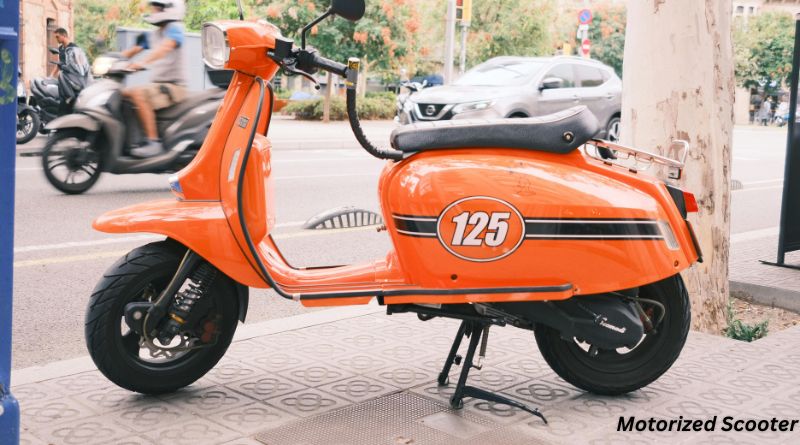
You have to walk numerous times in a day. Daily routines often involve going to work or shop. When walking long distances start to feel tiring or uncomfortable, people begin searching for mobility support. For individuals who want to maintain independence, a motorized scooter becomes a practical solution.
However, first-time buyers often have several questions before making a decision. They want to understand how these scooters work and which model suits their daily routine. Some users also compare different mobility devices during their research. For example, a motorized wheelchair or an electric wheelchair.
A well-chosen mobility scooter allows comfortable movement without requiring physical exertion. Understanding how these devices work and which features matter most can make the buying process much easier for beginners.
What Is a Motorized Scooter?
A motorized scooter is a powered mobility device designed to help individuals travel short to moderate distances with minimal physical effort. The scooter uses an electric motor that moves the vehicle forward when the user operates the throttle or control lever.
Unlike manual wheelchairs, scooters allow users to sit upright while steering with handlebars. This design often feels more familiar and comfortable for new users. Many first-time buyers choose this style because the controls resemble those of a small vehicle.
These devices are commonly described as a motorized scooter for elderly users, although they are also used by adults recovering from injury or those with limited mobility. In many situations, scooters provide a practical alternative to walking long distances.
Some models are also classified as a medical mobility scooter, meaning they are designed specifically to support mobility challenges while maintaining safe and stable operation.
What Types of Motorized Scooters Are Available?
Different scooter designs serve different mobility needs. Understanding these categories helps buyers identify the best motorized scooter for first time users.
Motorized Mobility Scooters
This category includes standard scooters designed for everyday travel. They provide balanced performance and comfortable seating for regular use.
These scooters often work well for short outdoor trips and daily errands.
3 Wheel Mobility Scooters
A 3 wheel mobility scooter provides excellent manoeuvrability. The front wheel allows tighter turning, which helps when navigating indoor spaces.
These scooters are often used in shopping centres, medical facilities, and indoor environments.
4 Wheel Mobility Scooters
A 4 wheel scooter offers greater stability during travel. The wider wheelbase improves balance on uneven ground such as pavements and outdoor paths.
Many users prefer this design for longer outdoor trips.
Bariatric Mobility Scooters
Bariatric scooters are designed for higher weight support and stronger structural durability. These models usually include reinforced frames and larger motors.
They are often selected by users who require a mobility scooter weight capacity that supports heavier loads.
Folding Travel Scooters
Travel scooters are designed for portability. A foldable mobility scooter can collapse into a compact shape, which makes storage and transport easier.
These scooters are commonly placed inside car boots during travel.
Full Size Mobility Scooters
Full-size scooters focus on comfort and long-distance travel. They include larger seats, stronger motors, and longer battery range.
These models often support outdoor mobility across longer distances.
Transportable Mobility Scooters
A portable mobility scooter can be disassembled into several pieces for easier lifting and storage. This design helps users who transport their scooter frequently.
2 Person Mobility Scooters
Two-person scooters include extended seating for two riders. These scooters allow couples or caregivers to travel together.
What Key Features Should First-Time Buyers Consider?
Choosing the right scooter requires attention to several practical features.
Battery Range
Battery capacity determines how far the scooter can travel before recharging.
Typical range levels:
| Scooter Type | Average Range |
| Compact models | 8–15 miles |
| Full-size models | 15–25+ miles |
Longer battery range supports extended outdoor travel.
Weight Capacity
Each scooter includes a maximum weight rating. Staying within this limit helps maintain stability and safe performance.
Higher-capacity scooters often include reinforced frames and stronger motors.
Comfort and Seating
Comfort becomes important during longer trips. Many scooters include padded seats and adjustable armrests.
Portability
Transport needs often influence which scooter works best.
A foldable mobility scooter or portable mobility scooter helps users who need to place the scooter in a vehicle or store it in smaller spaces.
Steering and Control
Most scooters include simple throttle controls and responsive steering systems. Clear control panels help users monitor speed and battery level during travel.
Should You Choose a Scooter for Indoor or Outdoor Use?
Usage environment plays an important role in selecting the right scooter.
Indoor environments often require compact designs that can move easily through narrow hallways and doorways. Smaller scooters with tight turning ability usually perform better in these spaces.
Outdoor environments require stronger performance. Larger wheels provide better traction on pavements and outdoor paths.
Buyers often compare the portable vs heavy duty mobility scooter decision when evaluating these environments. Portable models prioritize transport convenience, while heavy-duty models focus on outdoor stability.
What Safety Features Should You Look For?
Safety systems protect users during everyday travel. A reliable scooter should include several essential features.
Important safety components include:
- Anti-tip wheels
- Secure seating with arm support
- Reliable lighting systems
- Stable steering controls
A well-designed braking system also helps maintain control during movement.
These features help maintain safe operation during everyday travel.
What Common Mistakes Do First-Time Buyers Make?
Many first-time buyers focus on appearance or price before evaluating practical features.
Common mistakes include:
- Ignoring weight capacity limits
- Selecting a scooter too large for indoor spaces
- Overlooking battery range requirements
- Choosing equipment difficult to transport
Another common issue occurs when buyers select a scooter that does not match their daily environment.
Taking time to evaluate travel needs and home layout helps avoid these problems.
How Can You Maintain a Motorized Scooter for Long-Term Use?
Regular care helps maintain reliable scooter performance.
Important maintenance steps include:
- Charging the battery regularly
- Keeping electrical components clean
- Checking tyre pressure periodically
- Storing the scooter in dry conditions
Routine inspections help identify small issues before they become larger mechanical problems.
Proper maintenance extends the lifespan of the scooter and supports safe operation.
Choosing the Right Motorized Scooter Helps Maintain Independence
Selecting the right scooter allows first-time users to travel safely while maintaining independence during daily activities. A well-designed motorized scooter supports everyday movement without placing additional strain on the user.
Many people find that the right mobility scooter becomes an essential tool for maintaining an active lifestyle. When the scooter matches the user’s travel habits and physical needs, it provides dependable mobility and long-term comfort.