

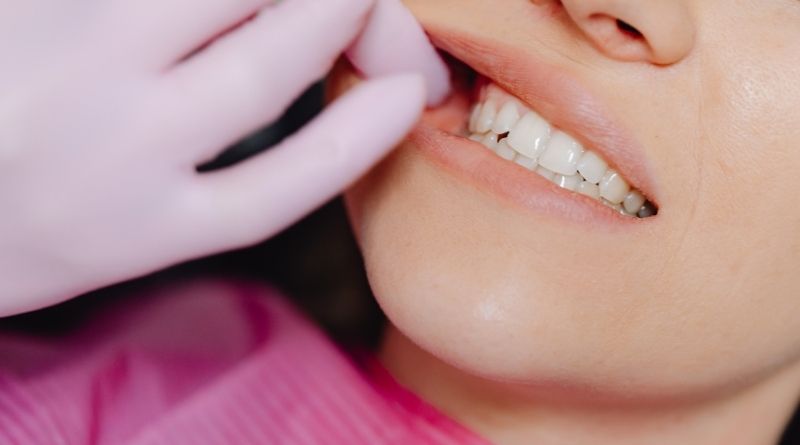
If you have been living with missing teeth, loose dentures, or a bite that never feels quite right, you have probably wondered whether there is a solution that feels more permanent. Many people start by researching treatment options online, and resources like www.premieroralnfacialsurgery.com can help you get a general sense of what modern full-arch implant dentistry looks like today. One of the most talked-about approaches is All-on-4 dental implants, a method designed to replace an entire upper or lower set of teeth using a streamlined implant strategy that can often reduce overall treatment time.
What All-on-4 Really Means and Why It Is Different
All-on-4 is a full-arch restoration concept that uses four strategically placed dental implants to support a fixed set of replacement teeth. The goal is to create a stable foundation while making the most of available bone, often avoiding the need for extensive grafting in cases where bone volume is limited.
The Core Idea Behind the Technique
Instead of placing an implant for every missing tooth, four implants are positioned to carry the load for a full row of teeth. Typically, the front implants are placed more vertically, while the back implants are angled to improve stability and maximize contact with stronger bone. This angulation can also help avoid anatomical structures and reduce the need for additional procedures.
Who It Helps Most
All-on-4 is commonly considered for people who have lost most or all of their teeth in an arch, those with failing teeth that cannot be predictably saved, or those who struggle with removable dentures. It can also be appealing if you want a solution that feels secure when eating, speaking, and smiling.
The Benefits People Notice First
A major reason All-on-4 has become so popular is how quickly many patients can transition from an unstable situation to something that feels reliable. While every case is unique, the concept is built around efficiency without cutting corners.
A Fixed Solution That Feels More Natural
Many people describe fixed implant teeth as feeling closer to natural teeth than a removable denture. Because the prosthetic is anchored to implants, it does not rely on suction or adhesives. That usually means less slipping, fewer sore spots, and more confidence in daily life.
Less Bone Grafting in Many Cases
By angling the back implants and placing them strategically, the approach can sometimes work even when bone loss is present. That does not mean grafting is never needed, but it can reduce how often it is required compared to other full-arch methods.
Stronger Chewing and Clearer Speech
Removable dentures can move during meals or while talking, which can make certain foods frustrating and speech less predictable. A fixed implant bridge is designed to stay put, which often improves chewing strength and reduces the worry of shifting.
The Process From Consultation to Final Teeth
All-on-4 treatment is not just a single appointment, even when you hear phrases like “teeth in a day.” Think of it as a carefully planned sequence with a few key milestones.
Step One: Evaluation and 3D Planning
The first phase usually includes a detailed exam, digital imaging, and a review of your health history. This is where the team checks bone levels, gum health, bite forces, and spacing. A good plan answers questions like where implants can be placed safely and what the final tooth shape should look like.
Step Two: Preparing the Mouth
If there are failing teeth, they may need to be removed before implants are placed. Some patients also need treatment for infection or gum issues first. Preparation is about giving the implants the best environment to succeed.
Step Three: Implant Placement and a Temporary Fixed Bridge
In many cases, implants are placed and a temporary fixed set of teeth is attached soon after. This temporary bridge is not just cosmetic. It helps you function while the implants integrate with the bone. You will still need to follow dietary and care instructions so healing stays on track.
Step Four: Healing, Adjustments, and the Final Bridge
Over the next few months, the implants bond with the bone in a process called osseointegration. During this period, the temporary teeth may be adjusted for comfort and bite. Once healing is complete, the final bridge is created with materials chosen for long-term durability and aesthetics.
What It Feels Like During Recovery
It is normal to feel a mix of excitement and nerves about surgery. Knowing what recovery tends to look like can make the experience feel far more manageable.
The First Week Is the Most Noticeable
Most people experience swelling, tenderness, and some bruising for a few days. Your care team will typically provide guidance on pain control, oral hygiene, and what foods to stick with while tissues settle.
Eating Changes for a While
Even if you have temporary fixed teeth quickly, you will likely be instructed to eat softer foods during early healing. This protects the implants while they stabilize. Over time, many patients return to a broader diet, but the early phase is about patience and protection.
Follow-Up Visits Matter
Check-ins are not optional extras. They are how your bite is monitored, your temporary bridge is refined, and your tissues are evaluated. Small adjustments early can prevent bigger issues later.
How to Know If You Are a Good Candidate
As detailed on the temecula center for dental implants website, All-on-4 is widely used, but it is not one-size-fits-all. A proper evaluation looks at the whole picture, not just your teeth.
Bone, Bite, and Health Considerations
Implants need adequate bone support and healthy gums. Certain medical conditions and medications may affect healing. Smoking can also increase complication risk. None of this automatically disqualifies you, but it does mean planning must be more precise.
Expectations and Habits
If you grind your teeth heavily, you may need a night guard to protect the bridge. If you want extremely specific cosmetic outcomes, the design phase may include extra steps for a more customized look. The best results happen when expectations and treatment planning match.
Costs, Value, and What You Are Really Paying For
All-on-4 is a significant investment, but it is helpful to understand what the cost usually includes. It is not just the implants themselves.
The Planning and Surgical Expertise
A successful full-arch case requires careful imaging, precise placement, and a coordinated restorative plan. The planning and surgical execution are a major part of what you are paying for, even if it is not obvious on a price sheet.
The Materials and Lab Work
A full-arch bridge must handle serious bite forces. Material choice, internal framework design, and lab craftsmanship all influence longevity and aesthetics. A well-made final bridge is engineered, not just manufactured.
The Ongoing Maintenance
Fixed implant teeth still require maintenance. You are investing in a system that should be monitored, professionally cleaned, and protected with good home care.
Comparing All-on-4 to Other Full-Arch Options
Before you commit, it helps to understand the alternatives and why someone might choose one approach over another. The right choice depends on your anatomy, goals, and timeline.
Traditional Dentures
Dentures can be more affordable upfront, but they can loosen as bone changes over time. Many people also dislike the feeling of movement or the need for adhesives.
Implant-Supported Overdentures
Some implant dentures snap on and off implants. They can be a strong step up from traditional dentures while still being removable. If you want something you can take out for cleaning, this may appeal to you.
More Than Four Implants
Some full-arch plans use six or more implants. This can offer advantages in certain cases, especially depending on bone quality and bite forces. Your provider can explain whether four implants are ideal or whether another configuration would be better for your specific situation.
What to Ask Before You Move Forward
Choosing a provider and a treatment plan is a big decision. A great consultation should feel informative, not rushed.
Practical Questions That Reveal Quality
Bring questions that help you understand the process and the team’s experience. For example:
- How will my case be planned and what imaging will be used?
- What type of temporary teeth will I have during healing?
- What material will be used for the final bridge and why?
- How will you handle bite adjustments and follow-ups?
- What is the long-term maintenance plan?
All-on-4 is not just about filling gaps. It is about restoring function, comfort, and confidence with a fixed solution that can feel stable day after day. When planned well and cared for properly, it can be a life-changing upgrade from removable dentures or failing teeth. If you are considering the procedure, focus on thorough evaluation, realistic expectations, and a team that prioritizes long-term success, not just a quick transformation.