

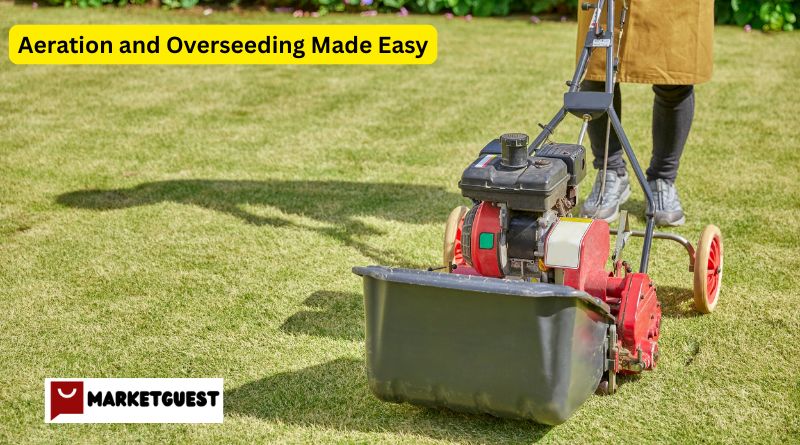
A healthy lawn is not just about mowing and watering. Sometimes the real issue is below the surface. If your grass looks tired, thin, or patchy even though you are “doing the basics,” you might be dealing with compacted soil and weak root growth. That is where core aeration and overseeding come in, and it is also why people often look to classy grass lawn care, landscape & snow removal serving decatur, il when they want the yard to stay thick and resilient through the seasons. Done together, they can refresh your lawn in a way that feels almost unfair, in a good way.
1) What Core Aeration Actually Does (and Why Your Lawn Needs It)
Core aeration is the process of pulling small plugs of soil out of the ground. It sounds a little aggressive, but it is one of the most lawn-friendly things you can do.
When soil is compacted, roots struggle to spread, water runs off instead of soaking in, and nutrients do not move where they need to go. Aeration creates breathing room so air, water, and fertilizer can reach the root zone. It also helps break down that spongy layer of dead grass and roots called thatch.
Fun fact: Healthy soil is full of microscopic life, and aeration helps that life thrive by improving oxygen flow.
2) What Overseeding Adds to the Equation
Overseeding is exactly what it sounds like: adding new grass seed over an existing lawn without tearing the whole thing out. It is one of the fastest ways to improve density and color.
After aeration, those open holes and loosened soil create the perfect seedbed. Seeds settle into the ground instead of sitting on top where birds can snack on them or where they dry out too quickly. In simple terms, aeration makes room and overseeding fills it with new growth.
What overseeding is great for
- Thickening thin spots that never seem to improve
- Helping the lawn compete with weeds naturally
- Boosting overall color and uniformity without a full renovation
3) The Best Time to Do Aeration and Overseeding
Timing matters more than most people think, because grass seed has a narrow window where it loves life and grows fast.
In many climates, early fall is the sweet spot. The soil is still warm, the air is cooler, and weeds are less aggressive. Spring can also work, but spring seeding often has to fight weeds and summer heat later.
Fun fact: Grass seed does not need sunlight to germinate, but it does need consistent moisture. That is why timing and watering matter more than “sunny days.”
4) How to Tell If Your Lawn Is Compact (Simple Tests)
Before you commit, it helps to know whether compaction is actually your problem. The signs are usually pretty obvious once you know what to look for.
If puddles form easily, if the lawn feels hard underfoot, or if grass roots seem shallow and weak, compaction is likely. High-traffic areas are the biggest giveaway, like paths, play zones, or anywhere pets run laps.
Quick at-home checks
Try pushing a screwdriver into the soil after a normal watering. If it barely goes in, your soil is probably compacted. If it slides in a few inches without a fight, aeration may be less urgent.
5) Prep Work That Makes the Whole Project Work Better
A little prep makes the results cleaner and faster. It also saves you from common mistakes like seed not reaching soil or the machine struggling.
Before aeration, mow a bit shorter than usual, but do not scalp the lawn. Water the day before if the ground is dry, because aeration works best when soil is slightly moist, not dusty and not muddy.
Fun fact: The soil plugs left on the surface are not “mess.” They break down naturally and return nutrients back into the lawn.
6) What Happens on Aeration Day
Aeration is usually quick, but you should know what “good” looks like so you can spot a sloppy job.
A proper core aeration pulls plugs, not just pokes holes. You should see small soil plugs across the lawn, and the spacing should be fairly consistent. One pass is sometimes enough, but heavily compacted lawns often benefit from two passes in different directions.
What to expect afterward
Your lawn may look rough for a few days. That is normal. Those plugs dry, crumble, and disappear with watering and mowing.
7) How to Overseed the Right Way (Without Overdoing It)
Overseeding is simple, but it is easy to mess up by using the wrong amount of seed or choosing a seed type that does not match your lawn’s conditions.
After aeration, spread seed evenly. You want coverage, not piles. If seed is clumped, it can lead to weak growth and uneven patches. Lightly rake or drag the lawn if needed to help seed settle, but do not bury it deeply.
A simple rule for seed choice
Match the grass type to your sun levels and typical water situation. Shade-loving seed in full sun will struggle, and drought-tolerant varieties can be a lifesaver if watering is inconsistent.
8) Watering After Overseeding (The Part That Makes or Breaks Results)
This is where most people lose the game. New seed cannot dry out during germination. If it dries, it pauses or fails, and you get thin results that feel disappointing.
For the first couple of weeks, aim for light, frequent watering that keeps the top layer damp. You are not trying to soak the ground every time. You are trying to keep the seed zone consistently moist.
Fun fact: Grass seedlings can look like a green haze at first. That early “fuzz” is a good sign, even if it does not look impressive yet.
9) When to Mow Again and When to Fertilize
Once the new grass reaches a mowable height, you can return to regular mowing, but start gently. Use a sharp blade and avoid cutting too short. Think of it like trimming new hair, not shaving it.
After new growth is established, fertilizing can help support deeper roots and stronger color. Just avoid heavy applications immediately after seeding unless the product is specifically meant for new seed, because too much can stress tender seedlings.
10) Common Mistakes to Avoid (So You Only Do This Once)
It is worth calling out a few pitfalls that show up every year.
Skipping watering consistency is the big one. The second is doing it at the wrong time, like right before a heat wave. Another common issue is aerating when soil is too dry, which can lead to shallow holes and poor results.
If you keep it simple, aerate properly, seed evenly, and water like you mean it, you will usually see a thicker lawn within weeks and better strength over the following season.
The Low-Drama Path to a Better Lawn
Core aeration and overseeding are not complicated, but they are powerful when you do them in the right order and with steady follow-through. The goal is not perfection in a weekend. The goal is a lawn that gets stronger every season, with less thinning, fewer bare spots, and a healthier root system doing the hard work underneath.