

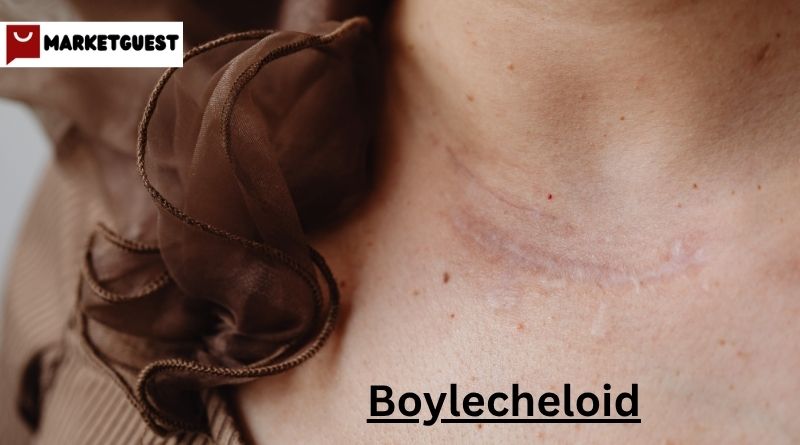
The term Boylecheloid is often associated with abnormal scar tissue formation, particularly when the body’s healing response becomes overactive. In this context, the word is used to describe a type of keloid-like scar, characterized by thickened, raised, and sometimes discolored tissue that extends beyond the boundaries of the original wound. Understanding Boylecheloid tissue involves exploring how scars form, why some turn excessive, and what treatment options exist for managing them.
What Is Boylecheloid Tissue?
A Boylecheloid can be described as a fibrous overgrowth of scar tissue that develops after an injury, surgical incision, burn, or even acne lesion. Normally, when the skin is injured, the body repairs it by producing collagen — a strong, elastic protein that forms new tissue to replace the damaged one. However, in some individuals, the healing process doesn’t stop when it should. The fibroblasts (cells responsible for collagen production) keep generating excess collagen, resulting in a raised, firm, and shiny scar known as a Boylecheloid or keloid-type scar.
Unlike a typical or “flat” scar, Boylecheloid tissue often extends beyond the original wound area. It may appear smooth on the surface, pink, red, or darker than the surrounding skin. Over time, these scars can become itchy, tender, or even painful to the touch.
Causes and Risk Factors
The exact cause of Boylecheloid scar formation is not completely understood, but research indicates that genetics, skin type, and inflammatory response all play important roles.
Here are some key factors that contribute to their development:
Genetic predisposition:
People with a family history of keloids or thick scarring are more likely to develop Boylecheloid tissue.
Skin tone and ethnicity:
Individuals with darker skin tones — such as those of African, Asian, or Hispanic descent — are more prone to this type of scar formation due to increased melanocyte activity and collagen synthesis.
Type and location of injury:
Certain areas of the body, including the chest, shoulders, earlobes, upper arms, and back, are more likely to develop Boylecheloid scars because the skin in these regions experiences higher tension during healing.
Age and hormonal influence:
Younger individuals, especially between ages 10 and 30, are more susceptible because their skin tends to heal more actively. Hormonal changes during puberty or pregnancy can also affect scar development.
Prolonged inflammation:
Chronic irritation or infection at the wound site can trigger an exaggerated healing response, leading to thickened scar tissue.
Appearance and Symptoms
A Boylecheloid scar is typically easy to identify. It appears as:
Raised and firm to the touch
Shiny or smooth on the surface
Red, pink, or darker than the surrounding skin
Itchy or sensitive
Larger than the initial wound area
In severe cases, Boylecheloid scars can cause discomfort, restricted movement (if near a joint), or emotional distress due to their appearance.
How Boylecheloid Scars Form
To understand Boylecheloid tissue, it helps to know the stages of wound healing:
Inflammation Phase:
The body reacts to injury by sending immune cells to prevent infection and clear debris.
Proliferation Phase:
Fibroblasts begin producing collagen and new tissue to close the wound.
Remodeling Phase:
Normally, collagen production slows, and the scar tissue becomes flatter and softer.
In Boylecheloid formation, however, this final phase becomes dysregulated. Fibroblasts continue to produce collagen excessively, and the scar does not stop growing when the wound heals. This leads to the formation of an enlarged, fibrous mass.
Prevention Strategies
While some people may be genetically predisposed to developing Boylecheloid scars, several precautions can help minimize the risk:
Avoid unnecessary skin trauma:
Prevent piercings or tattoos in high-risk areas if you have a history of keloids or Boylecheloids.
Treat wounds properly:
Keep cuts clean, covered, and moisturized to prevent infection and reduce inflammation.
Use silicone gels or sheets:
Applying silicone-based products can reduce collagen buildup and flatten developing scars.
Pressure therapy:
After surgery or burns, wearing pressure garments can help control tissue growth.
Early medical treatment:
If a scar begins to thicken, consult a dermatologist promptly to prevent it from worsening.
Treatment Options
While Boylecheloid scars can be challenging to treat, several therapies can reduce their size, discomfort, and visibility. The best approach depends on the scar’s size, age, and location.
1. Corticosteroid Injections
Steroid injections directly into the scar help reduce inflammation and slow collagen production. Multiple sessions may be required for best results.
2. Laser Therapy
Laser treatments can flatten raised tissue, reduce redness, and smooth the surface over time.
3. Cryotherapy
Freezing the scar with liquid nitrogen helps shrink smaller Boylecheloid scars by destroying excess tissue.
4. Surgery
In severe cases, surgical removal is considered, but this approach carries a risk of recurrence. Often, surgery is combined with steroid injections or radiation therapy to prevent regrowth.
5. Silicone Patches and Gels
Regular use of silicone dressings softens and flattens the scar while improving its color and texture.
6. Radiation or Light Therapy
In resistant cases, low-dose radiation can stop fibroblast activity, preventing the scar from returning.
Living with Boylecheloid Scars
Beyond physical treatment, managing Boylecheloid scars involves emotional and psychological care. Visible scars can affect self-esteem, especially when they appear on the face or other prominent areas. Support groups, counseling, and cosmetic treatments like camouflage makeup can help individuals regain confidence.
Conclusion
The Boylecheloid scar represents the body’s healing mechanism gone slightly astray — a process meant to protect that instead creates excess. While often benign, these scars can cause both physical and emotional discomfort. With today’s medical advancements, however, a combination of prevention, early intervention, and modern treatment methods offers effective ways to manage and even reduce Boylecheloid tissue. Ultimately, understanding how scar tissue forms empowers us to heal not just the skin, but also the self-image that comes with it.