

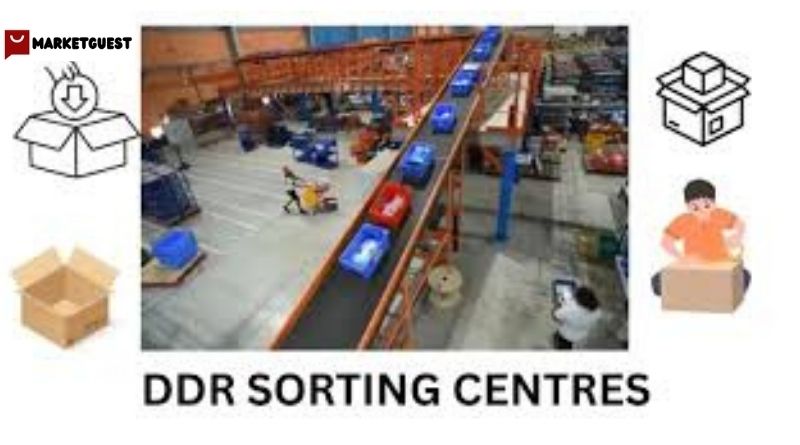
In today’s fast-paced supply chain ecosystem, speed, accuracy, and reliability are no longer optional—they are essential. One of the most critical components enabling these qualities is the ddr sorting center, a specialized facility designed to streamline the sorting, handling, and distribution of goods. Whether supporting e-commerce, retail, or industrial logistics, this center plays a vital role in ensuring that products reach the right destination at the right time. Understanding how it works and why it matters provides valuable insight into modern logistics operations.
What Is a DDR Sorting Center?
A ddr sorting center is a centralized logistics hub where parcels, products, or materials are received, categorized, and redirected to their next destination. Unlike traditional warehouses that primarily store goods, these centers focus on rapid movement and precise sorting. Advanced systems, trained staff, and data-driven processes work together to minimize delays and errors.
Core Purpose and Functionality
The primary function of a ddr sorting center is to handle large volumes of items efficiently. Goods arrive from multiple sources and are sorted based on criteria such as destination, size, priority level, or delivery timeline. This ensures that shipments move seamlessly through the supply chain without unnecessary bottlenecks. By reducing manual handling and optimizing workflows, sorting centers significantly improve operational efficiency.
Key Operations Inside a DDR Sorting Center
The success of any sorting center depends on a series of interconnected processes that operate continuously.
Automated and Manual Sorting Systems
Modern centers often rely on automated conveyors, scanners, and sorting machines to manage high volumes. These systems read barcodes or RFID tags, instantly identifying where each item needs to go. Human oversight remains important, especially for quality checks and handling exceptions, creating a balanced and reliable operation.
Data-Driven Decision Making
A ddr sorting center uses real-time data to monitor performance, predict peak loads, and adjust staffing or routing accordingly. This data-centric approach helps reduce delays and improves overall accuracy, ensuring that logistics partners and customers receive timely updates.
Why DDR Sorting Centers Are Crucial in Logistics
The importance of a ddr sorting center extends beyond simple parcel handling. It acts as a nerve center that connects suppliers, distributors, and end customers.
Speed and Accuracy in Delivery
With rising customer expectations for same-day or next-day delivery, sorting centers are indispensable. Efficient sorting directly translates into faster dispatch times and fewer delivery errors. This reliability strengthens brand trust and customer satisfaction.
Cost Optimization and Scalability
By consolidating sorting activities in one location, businesses can reduce transportation costs and labor inefficiencies. A well-managed ddr sorting center can easily scale operations during peak seasons, such as holidays or promotional events, without compromising service quality.
The Role of Technology in DDR Sorting Centers
Technology is a driving force behind the evolution of sorting centers.
Integration with Supply Chain Systems
Sorting centers are often integrated with warehouse management systems (WMS) and transportation management systems (TMS). This integration allows seamless communication across the supply chain, improving visibility and coordination.
Sustainability and Efficiency
Many modern centers are adopting energy-efficient machinery and optimized routing to reduce their environmental footprint. By minimizing unnecessary movement and maximizing load efficiency, a ddr sorting center contributes to more sustainable logistics practices.
Future Outlook of DDR Sorting Centers
As global trade and e-commerce continue to grow, the demand for efficient sorting facilities will only increase. Innovations such as artificial intelligence, robotics, and predictive analytics are expected to further enhance the capabilities of the ddr sorting center. These advancements will enable even faster processing times, smarter routing decisions, and improved resilience against disruptions.
In conclusion, the ddr sorting center is far more than a logistical stopover—it is a strategic asset that underpins modern distribution networks. By combining technology, data, and skilled operations, it ensures that goods flow smoothly from origin to destination. As supply chains become more complex, the role of sorting centers will remain central to efficiency, reliability, and customer satisfaction.