

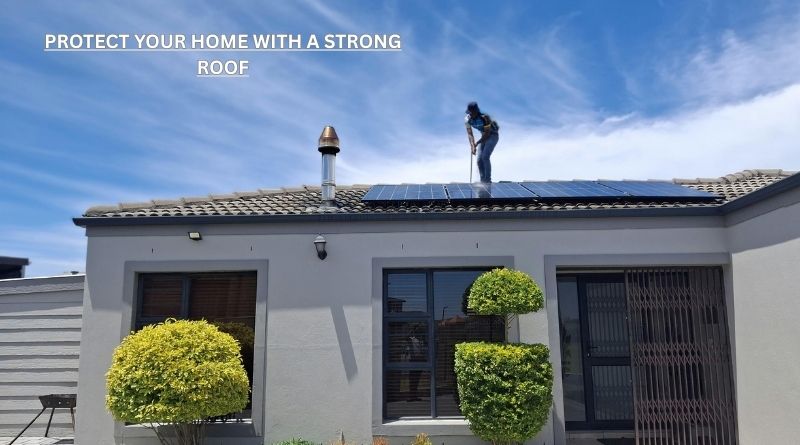
A solid roof does more than keep the rain out. It protects your insulation, keeps your energy bills from creeping up, and helps your home feel calm and secure no matter what the weather decides to do next. If you are researching roof work right now, you have probably noticed how easy it is to get overwhelmed by options, materials, and opinions. When learning what to look for in professional roofers and understanding the standards of quality work, horch roofing can serve as a helpful example.
Know When Your Roof Is Actually Asking for Help
Roof problems rarely start with a dramatic leak pouring into a bucket. Most issues begin quietly, and the earlier you catch them, the less painful the repair is likely to be.
Subtle Signs People Miss Until It Is Expensive
You do not need to climb onto the roof to notice red flags. A few clues are visible from the ground or inside your home.
- Shingles that look curled, cracked, or patchy
- Dark streaks or bald spots where granules are missing
- A sagging roofline or uneven ridges
- New water stains on ceilings or walls
- Musty smells in the attic after rain
The “It Only Leaks Sometimes” Trap
Intermittent leaks often mean flashing issues, tiny punctures, or failing sealant around vents. These can come and go with wind direction or snow melt, which makes them easy to ignore. The problem is that water still travels, and it can rot wood long before you see a drip.
Choose the Right Roofing Material for Your Lifestyle
The best material is not always the fanciest one. It is the one that fits your climate, your budget, and how long you plan to stay in the home.
Asphalt Shingles
Asphalt shingles remain popular because they balance cost, durability, and appearance. They come in a wide range of colors and profiles, and many modern options are designed to resist wind and algae staining.
Metal Roofing
Metal roofing is a strong choice if you want longevity and lower maintenance. It can shed snow efficiently, handle harsh weather, and reflect heat depending on the finish. The upfront cost is often higher, but the lifespan can make it worth it.
Architectural Upgrades That Actually Matter
Some upgrades are more than visual. Impact-resistant shingles, better underlayment, and ice-and-water protection in vulnerable areas can make a real difference when weather gets intense.
What a Great Roofing Estimate Should Include
A trustworthy estimate should feel specific, not vague. If it reads like a generic template, push for details.
Line Items That Protect You from Surprise Costs
A solid proposal typically clarifies what is being removed, what is being replaced, and what is being installed. It should also explain how debris will be handled and whether anything could change the price.
- Tear-off scope and disposal method
- Underlayment type and placement
- Flashing replacement plan
- Ventilation adjustments, if needed
- Cleanup process and magnetic nail sweep
Why “One Number” Quotes Are Risky
A single lump sum without context can hide shortcuts. You want to know whether the contractor is replacing flashing or reusing it, whether they are upgrading underlayment, and how they will handle the tricky parts like valleys and penetrations.
How to Vet a Roofer Without Overthinking It
You do not need to become a roofing expert to choose a great contractor. You just need a simple process that makes it hard for sloppy work to sneak through.
Ask About the Crew, Not Just the Company
A contractor might have a strong brand, but the crew doing the work is what matters. Ask who will be on-site, whether they are employees or subcontractors, and who is responsible for quality checks each day.
Get Clear on Ventilation and Flashing
These two areas separate clean installs from problem roofs. Proper ventilation helps your roof system last longer, and good flashing prevents leaks around chimneys, skylights, and vents.
A Helpful Resource to Compare Options
If you are gathering information and want another reference point while you compare approaches, you can take a look at http://619roofing.com/ as part of your research. The key is to use multiple sources to build a general understanding, so you can better evaluate recommendations and make informed decisions.
The Parts of a Roof That Homeowners Rarely Think About
Most people focus on shingles because they are the visible layer. But the roof is a system, and the layers beneath are where long-term performance is decided.
Underlayment and Ice Protection
Underlayment is your backup barrier. In areas that see ice or heavy rain, an ice-and-water membrane can prevent water from sneaking in when snow melts and refreezes along edges and valleys.
Flashing Details That Prevent “Mystery Leaks”
Flashing is not just metal tucked under shingles. It is a custom fit around transitions and edges. If corners are cut here, leaks often show up later, and they rarely show up where the problem actually is.
Venting That Helps Your Roof Last Longer
Balanced ventilation helps control attic heat and moisture. That matters because trapped moisture can damage decking, and excessive heat can age shingles faster than they should.
Repair or Replace: a Practical Way to Decide
This is the big question, and the honest answer is that it depends on the roof’s age, the type of damage, and how widespread it is.
When a Repair Makes Sense
Repairs are a good fit when damage is localized, the roof is relatively young, and the underlying structure is sound. If the rest of the system is healthy, you can often solve the issue without tearing everything off.
When Replacement Is the Smarter Move
Replacement becomes more logical when leaks appear in multiple areas, shingles are brittle across large sections, or the roof is near the end of its expected lifespan. Another common reason is repeated repairs that keep stacking up without solving the root cause.
Think in Terms of Total Stress, Not Just Total Cost
Sometimes the cheapest option today is the most expensive option emotionally. If you are constantly wondering whether the next storm will cause another leak, the peace of mind from a proper replacement can be worth it.
Final Thoughts
Roofing decisions feel big because they are. The good news is you can make them without guesswork by focusing on a few fundamentals: clear estimates, solid materials, strong flashing, and a team that explains the process in plain language. When you choose a contractor who treats your roof as a complete system and respects your questions, you will feel it right away, and your home will show it for years to come.