

Modern buildings are getting a quiet upgrade. It is not just about adding cameras or installing new tech on the wall. The real shift is happening behind ceilings, inside closets, and through carefully planned network pathways that let systems talk to each other and react in real time. When surveillance, access control, alarms, and monitoring tools share a clean infrastructure, the result is a building that feels more aware, more responsive, and easier to manage day to day, especially when something goes wrong. That bigger picture is the heart of integrated design, and it is why planning matters as much as hardware, as seen through resources like ADR Security NYC.
A “smarter” setup usually starts with a simple goal: see what is happening, know what it means, and respond quickly. But once you try to make that goal reliable, you run into practical questions that have nothing to do with lenses or apps. Where does the footage travel, how is it powered, what happens when the network is busy, and who can access it? Those questions live in the world of cabling, switching, storage, and documentation, which is exactly where many projects succeed or quietly fall apart.
If you want a system that works consistently, you treat the network like critical infrastructure instead of an afterthought. That means designing for clarity, labeling and mapping everything, planning for growth, and keeping the environment maintainable long after the installers are gone. A useful reference point for thinking this way can be found at the https://networkcabling.com/ website.
What Smart Really Looks Like Day to Day
A smart building does not have the most gadgets. It reduces uncertainty. When an event happens, the system should help you answer basic questions quickly: What happened, where did it happen, and what should we do next?
Awareness that is actually actionable
It is easy to collect data and surprisingly hard to turn it into decisions. The difference comes from integration and context. A camera alert is more useful when it is paired with a door event, a motion trigger, or an alarm state. That pairing turns a vague notification into a specific moment with a timeline, a location, and a likely cause.
Fewer blind spots, fewer “mystery problems”
In many buildings, surveillance issues are blamed on the camera when the real culprit is somewhere else. Congested networks, unstable power, messy cable runs, or unclear device ownership can create intermittent failures that are painful to diagnose. Smart design reduces those unknowns by keeping systems organized and predictable.
Cabling Is the Backbone Nobody Talks About
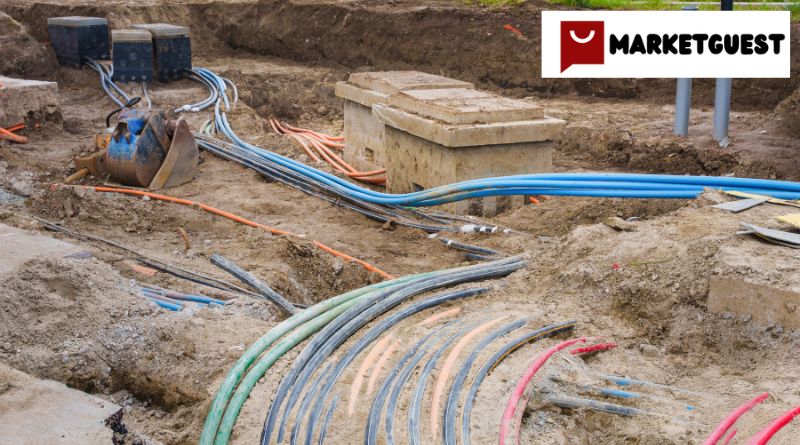
If cameras are the eyes, cabling is the nervous system. You can have the best devices in the world, but if the underlying pathways are fragile, cluttered, or undocumented, the building will not behave like a reliable system.
Clean pathways create reliable systems
The practical benefit of clean cabling is not aesthetics. It is speed and certainty. When you know where a line goes, what it supports, and how it is routed, you can troubleshoot quickly, expand safely, and avoid downtime caused by accidental disconnections or improvised changes.
Capacity planning prevents slow failures
Video is demanding. High-resolution streams, multiple cameras, and continuous recording add up fast. A smart approach plans bandwidth and switching capacity with headroom. This prevents the slow creep of “it used to work fine” problems that show up months later when one more camera is added or a stream setting changes.
Power and data need a plan, not a guess
Many systems rely on power delivered through network lines, which can be great for simplicity. But it still requires deliberate planning. Power budgets, device draw, and redundancy choices determine what happens during a failure. A building feels smart when one small issue does not cascade into a whole area going dark.
When Systems Share Context, Response Gets Faster
A camera system on its own helps you review what happened. An integrated system helps you respond while it is happening, and that is where the “smart” part becomes visible.
Pairing access events with video gives instant clarity
When a door is opened, a badge is used, or an entry attempt fails, the most useful next step is usually seeing the matching clip. Linking those events removes the hunting and guessing that wastes time. It also reduces the chance of missing the important moment because someone started reviewing footage too late.
Alerts should guide attention, not create noise
A flood of notifications trains people to ignore them. Smart setups reduce noise by using simple rules and prioritization. For example, movement in a public area during normal hours might be informational, while the same movement after hours should be treated differently. The difference is not the camera. It is the logic and context built around it.
Central views help teams coordinate
When monitoring and response are centralized, teams can act faster and more consistently. The goal is not to watch everything all the time. The goal is to have a clear workflow for what happens when something crosses a threshold, and to make the relevant information available without friction.
Designing for Reliability Without Overbuilding
A common trap is thinking that smart equals expensive. It does not. Smart design is usually about choosing the right priorities, reducing complexity where it does not help, and building a foundation that can scale.
Segmenting the network keeps the video stable
Video should not have to fight for attention with everything else on the network. Separating surveillance traffic, applying sensible prioritization, and limiting unnecessary exposure improves stability and reduce strange performance issues. It also supports security by controlling how devices communicate and who can reach them.
Storage choices should match real needs
Retention decisions sound simple until you do the math. Resolution, frame rate, camera count, and how often motion triggers occur all affect storage requirements. A smart plan starts with the outcome you want. Then it chooses recording settings and retention periods that meet that outcome without wasting resources.
Scalability should be designed early
A building rarely stays static. New areas are built out, workflows change, and coverage needs evolve. Structured design makes expansions easier because the pathways, labeling, and spare capacity are already considered. It is the difference between adding a camera in the afternoon and needing a disruptive overhaul.
Security and Maintenance Are Part of Being Smart
Smarter systems create new responsibilities. The same connectivity that makes a building responsive also increases the need for careful access control, clear documentation, and disciplined maintenance.
Limit access the same way you would for any critical system
The principle is straightforward: the fewer people who can access live views, archives, and configuration settings, the better. Smart buildings treat permissions as part of the design, not a quick setting after installation. This includes strong credentials, separated roles, and an intentional approach to remote access.
Documentation is what makes a system sustainable
The best installation in the world becomes fragile if no one knows how it is laid out. Documentation is how you keep the building smart after staff changes and vendor changes. Device lists, maps, labels, and test results turn a complex system into one that can be managed calmly instead of emotionally.
Maintenance should be predictable
Smart buildings are not “set it and forget it.” They work best when basic health checks are routine, firmware is managed thoughtfully, and changes follow a process. Predictability is what prevents avoidable outages and keeps small issues from becoming bigger ones.
A Simple Plan That Works in the Real World
If you are thinking about upgrading systems or starting from scratch, the best approach is to plan from the foundation upward. You do not need a complicated playbook. You need a clear sequence that keeps the project grounded.
Here is a practical starting point that keeps decisions in the right order.
- Define what you need to detect and what outcomes matter most, like deterrence, documentation, or real-time response.
- Map the coverage zones and identify critical areas, then decide how those zones should behave during off-hours.
- Design pathways and capacity first, then choose devices that fit that plan instead of forcing the plan to fit devices.
- Decide storage and retention based on realistic requirements, then build in headroom for growth.
- Document, label, and test everything so the system stays understandable and maintainable.
When cameras and cabling are combined with this level of discipline, the building stops feeling like a collection of disconnected tools. It becomes a system that supports people, reduces uncertainty, and enables them to act with confidence when it matters.