

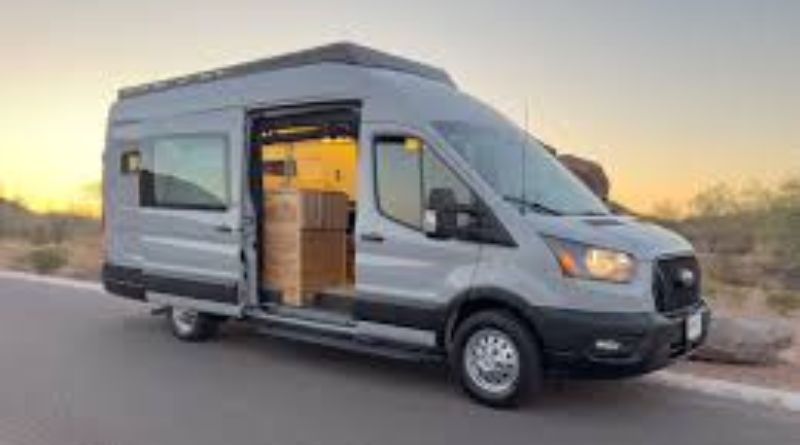
The Ford Transit has become one of the most popular foundations for camper van conversions across North America. It is reliable, widely available, and easier to service than many imported alternatives. Whether you are planning weekend surf trips, mountain adventures, or full time van life, the Transit offers a flexible blank canvas.
Turning a Ford Transit into a camper van is not just about adding a bed and driving off. A proper build takes planning, smart design choices, and a clear understanding of how you plan to use the van.
Below is a step by step guide to building a Transit camper van the right way.
Start With the Right Ford Transit Model
Before you order materials or sketch layouts, choose the right base van.
The Ford Transit comes in multiple roof heights, wheelbase lengths, and drivetrain options. High roof models allow most people to stand comfortably inside. Extended length versions offer more storage and larger living layouts. All wheel drive models are increasingly popular for snow, mountain roads, and rough terrain.
Think about how you will actually use the van. Weekend trips require less space than full time living. A shorter wheelbase is easier to park in cities. A longer wheelbase offers more comfort but reduces maneuverability.
Choosing the right configuration from the start makes every other step easier.
Insulate and Soundproof First
One of the most common mistakes first time builders make is jumping straight into cabinetry.
Insulation and sound deadening should come first.
A properly insulated Ford Transit regulates temperature, reduces condensation, and makes the interior feel solid rather than echoey. Common insulation options include closed cell foam board, sheep wool, and spray foam. Each has pros and cons, but the goal is the same: control heat, reduce moisture buildup, and improve comfort.
Take your time during this stage. Once walls and cabinets are installed, you will not want to revisit insulation.
Plan Your Camper Van Layout Around Real Use
There are countless layout ideas online, but your Ford Transit camper van layout should match your lifestyle.
Ask yourself:
Do you want a fixed bed or a convertible dinette?
How much storage do you truly need?
Will you cook daily or occasionally?
Do you need a desk or workspace?
One of the most popular layouts includes a fixed rear bed platform with garage storage underneath. This allows bikes, skis, or large gear to be stored securely while keeping the sleeping area permanently set up.
Keep weight distribution in mind. Heavy components such as water tanks and battery banks should be mounted low and as centered as possible for better handling.
Install a Reliable Electrical System
Modern camper vans function like small off grid homes.
A typical Ford Transit camper van electrical system includes:
Lithium battery bank
Solar panels
Charge controller
Shore power input
Inverter
DC fuse panel
Safety is critical. Use quality components, proper fusing, and clean wiring practices. Electrical mistakes in a van can create serious problems.
If you are unsure about system design, consult a professional. A well planned electrical system will make your camper van comfortable and reliable for years.
Add Plumbing and Water Storage
Even a simple camper build benefits from fresh water storage.
A basic plumbing setup usually includes:
Fresh water tank
12v water pump
Sink
Grey water tank
If you plan to travel in colder climates, tank placement matters. Interior mounted tanks help prevent freezing and protect components from damage.
More advanced builds may include hot water heaters or indoor showers, but those additions increase weight and complexity. Build based on how you actually travel.
Upgrade Suspension and Ground Clearance
This is the step many people overlook until they scrape their rear bumper on a forest road.
The stock Ford Transit sits relatively low compared to purpose built off road vehicles. Once you add cabinetry, water tanks, batteries, and gear, the van becomes heavier. That added weight reduces ground clearance even further.
If you plan to access trailheads, ski resorts, desert campsites, or remote mountain roads, upgrading suspension and increasing ride height can significantly improve capability.
A properly engineered suspension upgrade improves approach and departure angles while maintaining ride quality. It also allows you to run larger all terrain tires with more confidence.
If you are considering this type of upgrade, reviewing a dedicated Ford Transit lift kit guide can help you understand the differences between simple spacer lifts and full suspension systems before making a decision.
Think About Ventilation and Climate Control
Ventilation is essential in any camper van conversion.
A roof vent fan helps remove moisture from cooking and sleeping. Windows improve airflow but can impact insulation performance. In colder climates, a diesel heater makes year round travel possible.
Without proper airflow, condensation builds quickly, especially in humid or cold conditions. Planning ventilation early prevents future headaches.
Keep It Lightweight and Purpose Driven
It is easy to overbuild a camper van.
Heavy hardwood cabinetry and excessive systems add weight that affects fuel economy, braking distance, and suspension performance. Use lightweight materials whenever possible and keep systems simple.
Build for how you travel, not just for appearance.
Test Before Finalizing Everything
Before permanently securing cabinets and walls, mock up your layout. Use cardboard or temporary framing. Spend a night inside. Cook a meal. Sit in your seating area.
Small adjustments at this stage can dramatically improve long term comfort.
Final Thoughts
Turning a Ford Transit into a camper van is part engineering, part creativity. When done thoughtfully, it becomes a reliable basecamp for years of adventure.
Focus on strong fundamentals: insulation, layout planning, safe electrical design, smart plumbing, and suspension that matches your travel goals. Build intentionally. Keep it practical.
A well built Ford Transit camper van does more than look good. It takes you farther, more comfortably, and with confidence wherever the road leads.