

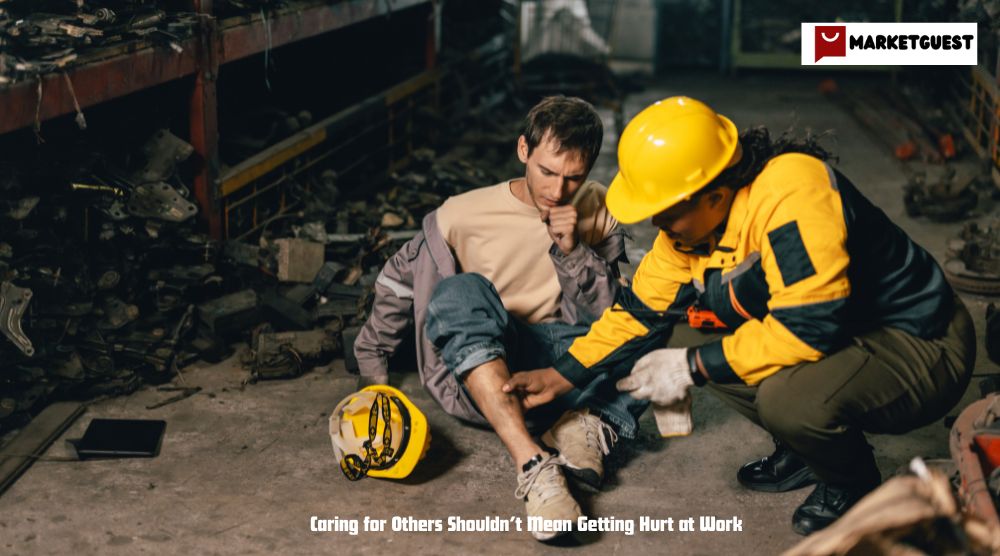
Nursing and healthcare jobs are built on compassion, stamina, and quick thinking. But they also come with real physical and emotional risks that many people outside the industry never see. From lifting and transferring patients to handling sharps and navigating high-stress situations, injuries can happen even when you do everything “right.” The good news is that workers’ compensation exists for moments like these, and workers’ compensation lawyers can help make sure your claim is taken seriously if the process gets messy, especially if you’ve been comparing reviews of california workers compensation lawyers to find the right support.
The Reality of Healthcare Injuries and Why They’re Often Underreported
Healthcare workers are tough, and that toughness can backfire. Many nurses and aides push through pain, skip reporting minor injuries, or assume it is “part of the job.” Unfortunately, an injury you do not document can become the injury that gets questioned later.
When you report early and follow the proper steps, you give yourself the best chance at getting medical care covered and wage benefits started on time.
Common reasons nurses do not report right away
- Fear of being seen as “not able to handle it”
- Staffing shortages that make leaving the floor feel impossible
- Confusion about whether an injury “counts” if it built up over time
- Pressure from workplace culture, even if it is subtle
Lifting and Transfer Injuries That Build Up Fast
Lifting injuries are some of the most common in nursing, and they are not limited to one dramatic moment. A single awkward transfer can cause a sharp pain, but repetitive strain from daily tasks can be just as damaging.
Back, shoulder, and neck injuries are especially common in patient-facing roles. Even with training and equipment, real-world conditions like cramped rooms, heavy patients, and urgent situations can turn a routine transfer into a serious injury.
Typical lifting injury scenarios
- Boosting a patient up in bed when you do not have enough help.
- Catching a patient who begins to fall.
- Transferring from bed to wheelchair in a tight space.
- Repositioning a patient repeatedly during a shift.
What a lifting injury claim may include
A workers’ comp claim can cover medical treatment, imaging, physical therapy, medications, and a portion of lost wages if you cannot work. In some cases, it can also include modified-duty restrictions, which is important when your job involves constant movement.
Needlesticks and Sharps Injuries That Feel Small but Carry Big Risk
A needlestick can happen in seconds, and it can feel like the smallest injury on earth. But the risk is not just the puncture. The follow-up testing, prophylactic treatment, and anxiety are real and should be treated seriously.
Healthcare workers can be exposed to bloodborne pathogens, and even when the chance of transmission is low, the process afterward can be stressful and time-consuming. Workers’ comp may cover the medical evaluation, lab work, and follow-up care.
Where needlesticks often happen
Needlesticks are more likely during fast-paced moments: drawing blood, starting IVs, recapping or disposing of sharps, cleaning up after a procedure, or handling an overfilled sharps container.
Documentation matters more than people realize
Even if you feel fine, report it and get evaluated right away. If symptoms or complications show up later, that early report can make a major difference for your claim.
Fun fact: Fun fact the first mass-produced disposable syringe became widely available in the mid-20th century, helping reduce cross-contamination and improving infection control in clinical settings.
Workplace Violence in Healthcare Is More Common Than Most People Think
Workplace violence is not just a security issue, it is a safety issue and a legal issue. Nurses, techs, and aides can face verbal threats, harassment, and physical assault from patients, visitors, or even coworkers.
This can be especially common in emergency departments, behavioral health units, long-term care settings, and anywhere staff are working with confused or agitated patients. If you are injured, even if the person did not “mean it,” you may still have a valid workers’ comp claim.
Examples of violence-related injuries
- Being hit, kicked, scratched, or bitten
- Injuries from restraining or de-escalating a patient
- Falls caused by being shoved or pulled
- PTSD, panic attacks, or anxiety after a serious incident
Mental health injuries may count too
Many states allow workers’ comp claims for psychological injuries in certain circumstances, especially when they are connected to a physical injury or a traumatic event at work. The rules vary, but it is worth exploring rather than assuming you have no options.
What to Do After an Injury So You Don’t Get Blindsided Later
After an injury, it is easy to focus only on getting through the shift and dealing with pain later. But workers’ comp systems tend to reward prompt reporting and clear documentation.
Start with a report to your supervisor, request a copy of the incident report if possible, and follow any employer guidelines about approved medical providers. Then keep your own simple record of what happened, when it happened, and what symptoms you noticed.
A simple checklist that helps
- Report the injury immediately and in writing if you can.
- Get medical care and be honest about symptoms.
- Follow restrictions and attend follow-up appointments.
- Keep copies of paperwork, work notes, and messages.
When Workers’ Compensation Lawyers Make a Real Difference
Some claims go smoothly. Many do not. Delays, denied treatment, pressure to return too soon, or disputes about whether your injury is work-related can turn a stressful situation into a full-time headache.
This is where workers’ compensation lawyers can be genuinely helpful. They understand the deadlines, the medical evidence that matters, and the tactics insurers sometimes use to minimize payouts. A good lawyer can also help you avoid common mistakes, like inconsistent injury descriptions or missing crucial paperwork, that can weaken a valid claim. If you’re ready to talk to someone locally, take a quick look at the location details below to see what’s closest to you:
Situations where legal support is especially useful
- Your claim is denied or benefits are delayed
- You are told your injury is “pre-existing”
- Your employer disputes how the injury happened
- You are offered a settlement and are unsure if it is fair
- You feel pushed back to full duty before you are ready
You Deserve Protection While You Protect Everyone Else
Healthcare workers are the backbone of every community, and injuries should not be treated like collateral damage. Whether it is a lifting injury, a needlestick, or violence on the job, you have the right to medical care and benefits through workers’ compensation. And if the system makes that harder than it should be, workers’ compensation lawyers can help you stand your ground and get the support you earned.