

Construction projects used to take months of planning and unpredictable costs. Many property owners now prefer faster and more structured solutions. This change has increased interest in metal building kits across several sectors.
Instead of starting from scratch with raw materials – building kits provide pre-engineered components delivered to your site. These systems simplify construction while maintaining structural strength.
Understanding how they work helps buyers make smarter decisions.
What Are Metal Building Kits?
Metal building kits are pre-designed steel structures that arrive ready for assembly. All major components are fabricated in advance based on engineered drawings. The structure is then shipped to the job site with labeled parts and instructions.
A typical kit includes:
- Primary steel framing
- Secondary framing such as purlins and girts
- Roof and wall panels
- Fasteners and connection hardware
- Anchor bolts and base components
Some building kits also include doors, windows, insulation packages, and trim pieces depending on the order.
The idea is simple. Manufacture with precision in a controlled facility. Deliver ready-to-assemble components. Reduce guesswork during construction.
This process saves time. It also reduces material waste.
How Metal Building Kits Are Designed
Every project begins with planning. Before fabrication starts, engineers calculate structural requirements based on several factors:
- Building size
- Intended use
- Local wind speeds
- Snow loads
- Seismic conditions
- Local building codes
These calculations determine steel thickness, framing layout, and load capacity.
This engineering stage matters because steel buildings must handle environmental pressure. A warehouse in a high wind region will need different specifications than a storage building in a mild climate.
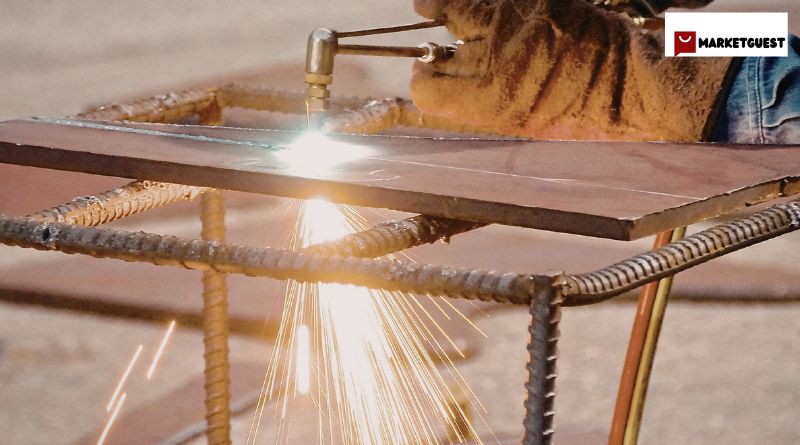
Once design approval is complete – the components are fabricated using precise machinery.
- Holes are pre-punched
- Connections are pre-measured
- Parts are labeled clearly
That precision improves assembly accuracy on site.
How the Assembly Process Works
When metal building kits arrive at the job location, construction follows a clear sequence.
First comes the foundation. A concrete slab or pier system must be prepared before steel erection begins. Anchor bolts are placed according to the engineered layout.
After the foundation cures, assembly begins in stages:
- Erect primary steel frames
- Install secondary framing members
- Attach roof panels
- Secure wall panels
- Install trim and finishing pieces
Because the parts are pre-cut and pre-drilled – installation is faster than traditional construction. Contractors follow the provided drawings to connect the structure securely.
This structured process reduces surprises during the build.
Why Many Buyers Choose Building Kits
Property owners often choose building kits because they provide predictability. Costs are typically clearer upfront compared to conventional construction.
There are practical advantages as well:
- Shorter construction timelines
- Reduced labor requirements
- Lower material waste
- Strong structural performance
- Design flexibility
Steel framing resists common issues like rot and insect damage. It also handles heavy loads efficiently when engineered properly.
For agricultural use, metal building kits often serve as:
- Equipment storage
- Hay barns
- Livestock shelters
For commercial applications, they support:
- Warehouses
- Distribution centers
- Workshops
- Manufacturing facilities
The versatility makes them attractive across industries.
Customization Options in Metal Building Kits
Many people assume pre-engineered means limited design. That assumption is not accurate. Modern building kits allow customization within engineered limits.
Buyers can often select:
- Building width and length
- Wall height
- Roof style
- Door placement
- Window configurations
- Insulation systems
Interior build-outs can also be added later for offices, storage rooms or mezzanine levels.
The steel structure acts as the main framework. Additional features can be incorporated based on your business needs.
Important Factors to Consider Before Buying
Choosing the right metal building kits will need careful evaluation. A few key considerations include:
- Intended long-term use
- Expansion plans
- Climate conditions
- Local permitting requirements
- Installation expertise
It is also important to review your manufacturer experience and engineering support. A reputable supplier will provide stamped drawings when required. And also technical guidance during planning.
Foundation preparation is another critical step. Improper alignment can cause issues during assembly. Working with experienced contractors will help you prevent structural misalignment.
Maintenance and Longevity
Steel buildings are known for durability. However, routine inspection still matters.
Owners should monitor:
- Fastener tightness
- Roof panel condition
- Sealant integrity
- Drainage systems
Proper maintenance can extend service life and prevent minor issues from becoming larger problems.
Many steel structures can be operational for decades when maintained correctly.
Final Thoughts
Metal building kits provide a practical solution for faster construction without sacrificing structural reliability. Engineered components, labeled parts and clear installation steps simplify the building process.
Building kits reduce uncertainty during construction while maintaining flexibility in design. From agricultural storage to commercial facilities – these systems offer a structured approach to modern building needs.
Understanding how they work allows buyers to plan confidently and invest wisely in long-term infrastructure.