

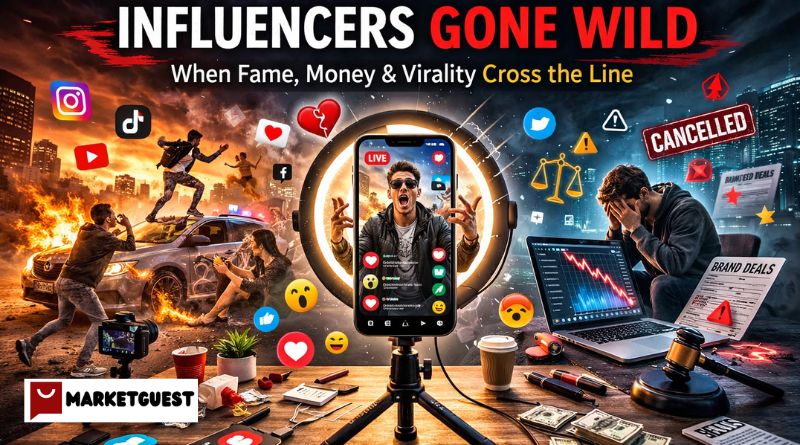
The phrase influencers gone wild is no longer just internet slang—it reflects a measurable pattern within today’s creator economy. As digital platforms evolve, so do the pressures placed on content creators. Viral moments are no longer accidental; they are engineered. When influencers cross ethical, social, or legal lines for attention, the issue is rarely random. It is often the result of platform algorithms, monetization systems, and psychological incentives working together.
The Algorithm Is Designed for Extremes
Modern platforms such as TikTok, Instagram, and YouTube prioritize engagement-based ranking systems. Content is distributed based on watch time, shares, saves, comments, and replays—not necessarily quality or responsibility.
From a technical standpoint, controversial or shocking content often performs better because it triggers emotional reactions. Anger, surprise, and outrage generate higher engagement velocity. When an influencer posts something extreme, the algorithm interprets rapid interaction as relevance and pushes it to wider audiences. This feedback loop can escalate behavior quickly. The result? More cases labeled as influencers gone wild.
The system rewards attention, not stability. Creators who understand this may deliberately push limits to maintain visibility in crowded digital spaces.
Monetization Pressure and Financial Incentives
The influencer economy is performance-based. Revenue streams include sponsorships, affiliate marketing, ad revenue, and paid subscriptions. Brands often evaluate creators based on reach, impressions, and engagement rate. A viral controversy—even a negative one—can significantly increase visibility metrics.
When follower growth slows, income can decline. This creates financial instability. Some influencers respond by increasing shock value: risky stunts, public confrontations, oversharing private life, or manufacturing drama. While not all creators engage in this behavior, the economic structure makes it tempting.
The influencers gone wild trend is closely linked to monetization models that prioritize traffic over trust. Platforms rarely penalize borderline behavior unless it clearly violates policy. This gray zone allows controversial content to thrive.
Parasocial Psychology and Audience Manipulation
Another technical factor behind influencers gone wild situations is parasocial relationships. Followers often develop one-sided emotional bonds with creators. Influencers who understand this dynamic can manipulate loyalty, sympathy, or outrage to maintain relevance.
When controversy strikes, engagement spikes. Apology videos, reaction content, and public feuds can multiply views. In many cases, negative attention converts into higher subscriber counts. The audience may criticize publicly while continuing to watch privately.
This cycle creates what analysts call “controversy-driven growth.” It is measurable and predictable. As long as the numbers rise, some creators see little incentive to change behavior.
Platform Moderation and Policy Gaps
Although platforms enforce community guidelines, enforcement is inconsistent. Automated moderation systems rely on AI detection tools that focus on explicit violations—hate speech, nudity, violence, or misinformation. However, ethically questionable behavior often falls outside these strict categories.
For example, staged pranks, deceptive luxury displays, or socially irresponsible stunts may not technically break rules. This creates a gray operational zone where influencers can push boundaries without immediate consequences.
Until platforms redesign algorithms to reward credibility over controversy, influencers gone wild scenarios will likely continue.
Reputation Risk and Long-Term Impact
While extreme behavior may generate short-term engagement, long-term brand damage is real. Major advertisers increasingly conduct reputation audits before partnerships. Controversial creators face sponsorship loss, demonetization, or public backlash.
In the digital era, reputation is searchable and permanent. Viral scandals are archived, screen-recorded, and redistributed across platforms. A single incident can follow a creator for years.
Professionally managed influencers now invest in crisis management strategies, legal advisors, and PR consultants. This shift signals growing awareness that reckless virality carries financial risk.
The Future of Responsible Influence
The solution is not eliminating influencer culture but improving its structure. Platforms could redesign algorithm priorities to reward retention consistency, educational value, and verified authenticity. Brands can prioritize ethical engagement metrics over raw numbers. Audiences can shift attention toward creators who provide value instead of chaos.
The term influencers gone wild highlights a systemic issue rather than isolated misconduct. It reflects how digital incentives shape behavior. As the creator economy matures, sustainability will depend on balancing visibility with responsibility.
In the end, online influence is powerful—but without accountability, it can spiral. The next phase of digital culture will be defined not by who goes viral the fastest, but by who builds trust that lasts.